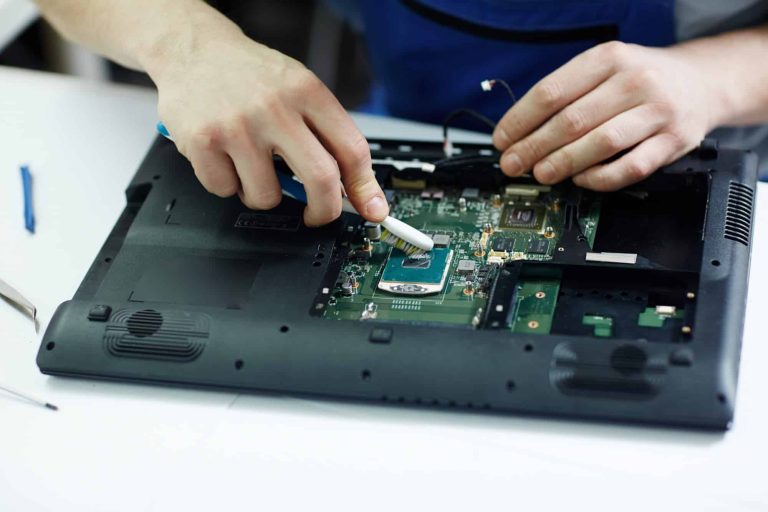


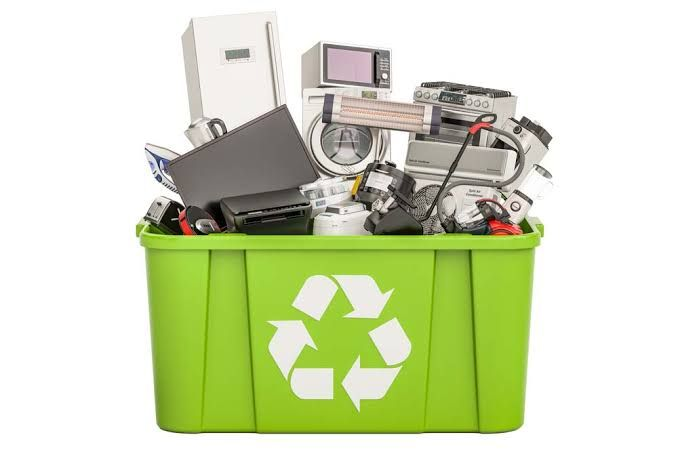
Every year, millions of electronic devices reach the end of their useful lives, creating a growing environmental challenge. From outdated smartphones and laptops to damaged household appliances, discarded electronics contain valuable materials as well as hazardous substances that require careful handling. Managing this waste responsibly is no longer an option, it is a necessity for protecting natural resources and public health.
As the volume of E waste electronic waste continues to rise worldwide, businesses, governments, and households must adopt sustainable disposal practices. Proper recycling not only prevents pollution but also helps recover precious metals, reduce landfill waste, and support a circular economy. By understanding the importance of responsible electronic waste management, individuals and organisations can contribute to a cleaner, greener future.
Understanding Electronic Waste
Electronic waste, commonly known as e-waste, includes any electrical or electronic equipment that has reached the end of its life cycle. This category covers a broad range of products, including:
- Mobile phones
- Computers and laptops
- Televisions
- Printers
- Refrigerators
- Air conditioners
- Batteries
- Networking equipment
- Small household appliances
Many of these products contain reusable materials such as aluminium, copper, silver, gold, and plastics. However, they also include hazardous substances like lead, mercury, cadmium, and brominated flame retardants. If disposed of improperly, these toxic materials can contaminate soil, water, and air, posing serious risks to ecosystems and human health. Responsible collection and processing are therefore essential.
Why Electronic Waste Is Growing Rapidly
The rapid advancement of technology has shortened the lifespan of electronic devices. Consumers frequently upgrade their smartphones, computers, and other gadgets to access better features and improved performance. Businesses also replace IT equipment regularly to maintain operational efficiency. Without effective waste management systems, discarded electronics accumulate quickly, increasing environmental pressure and wasting valuable recoverable resources.
Several factors contribute to the increasing volume of electronic waste:
- Rapid technological innovation
- Shorter product life cycles
- Increased consumer demand
- Growing urbanisation
- Expanding digital transformation across industries
The Environmental Impact of Improper Disposal
Improper disposal of electronic waste has long-term consequences that extend far beyond overflowing landfills.
Soil and Water Contamination
When electronics are dumped in landfills, harmful chemicals can seep into the soil and groundwater. These pollutants may eventually enter food chains, affecting both wildlife and human populations.
Air Pollution
Burning electronic waste releases toxic gases and fine particles into the atmosphere. This practice contributes to poor air quality and increases health risks for nearby communities.
Loss of Valuable Resources
Electronics contain precious and industrial metals that require significant energy and mining activities to extract. Throwing away these materials instead of recycling them increases demand for virgin resources and places additional strain on the environment.
Increased Carbon Footprint
Manufacturing new electronic products from raw materials consumes considerably more energy than producing them from recycled materials. Proper recycling therefore helps lower greenhouse gas emissions and conserves natural resources.
The Vital Role of Professional Recycling Facilities
Managing electronic waste requires specialised equipment, trained personnel, and environmentally responsible processes. Professional recycling facilities ensure that electronic products are dismantled, sorted, and processed safely while complying with environmental regulations.
Their work generally includes:
- Safe collection and transportation
- Secure dismantling of electronic devices
- Material segregation
- Recovery of reusable metals and plastics
- Proper treatment of hazardous components
- Responsible disposal of non-recyclable materials
Benefits of Responsible Electronic Waste Recycling
Conserves Natural Resources
Recovering valuable metals from discarded electronics reduces the need for new mining operations. This helps preserve natural ecosystems while lowering energy consumption.
Supports the Circular Economy
Rather than treating electronics as disposable products, recycling keeps valuable materials in circulation. These recovered materials can be used to manufacture new products, reducing waste generation.
Reduces Landfill Pressure
Electronic devices occupy considerable landfill space and often remain there for decades. Recycling diverts large quantities of waste away from landfill sites, improving overall waste management efficiency.
Protects Human Health
Safe handling prevents exposure to toxic substances that can affect workers, nearby communities, and future generations.
Encourages Sustainable Business Practices
Many organisations now include responsible waste management within their Environmental, Social, and Governance (ESG) initiatives. Recycling electronic waste demonstrates environmental responsibility while supporting regulatory compliance.
How Businesses Can Improve Electronic Waste Management
Companies generate significant volumes of obsolete computers, servers, networking equipment, storage devices, and office electronics. Implementing structured recycling programmes helps businesses reduce environmental impact while protecting sensitive information.
Effective strategies include:
- Conducting regular electronic asset audits
- Partnering with authorised recycling facilities
- Ensuring secure data destruction before disposal
- Separating electronic waste from general waste
- Educating employees on proper disposal practices
- Tracking recycling performance as part of sustainability reporting
What Individuals Can Do
Sustainable waste management is not solely the responsibility of businesses. Every individual can contribute by making informed decisions regarding electronic products.
Simple actions include:
- Extending the life of electronic devices through repairs
- Donating working electronics whenever possible
- Choosing certified recycling centres
- Avoiding illegal dumping
- Purchasing durable and energy-efficient products
- Recycling old batteries separately
The Future of Sustainable Electronic Waste Management
Governments, manufacturers, businesses, and consumers all have important roles to play in addressing the growing electronic waste challenge. Advances in recycling technology, stronger environmental regulations, and increased public awareness are helping improve recovery rates and promote responsible disposal practices.
The future lies in designing products that are easier to repair, reuse, and recycle while encouraging manufacturers to take greater responsibility for product life cycles. Sustainable waste management is becoming an essential component of economic development, environmental protection, and resource conservation. Continued investment in modern recycling infrastructure will ensure valuable materials remain in use for longer while reducing pollution and supporting greener communities.
Conclusion
Creating a cleaner environment begins with responsible choices that protect valuable resources and reduce pollution for future generations. Choosing certified recycling partners ensures that discarded electronics are managed safely, efficiently, and in accordance with recognised environmental standards. Professional E waste recyclers play a crucial role in transforming discarded electronics into reusable resources while preventing hazardous materials from harming the environment.
Organisations such as Planet Green Recycling (L.L.C.) demonstrate how modern recycling facilities can combine environmentally responsible processes, quality-focused operations, and secure waste management solutions to support businesses and communities alike. By adopting innovative recycling practices and promoting resource recovery, they contribute meaningfully to a more sustainable future and a stronger circular economy.