


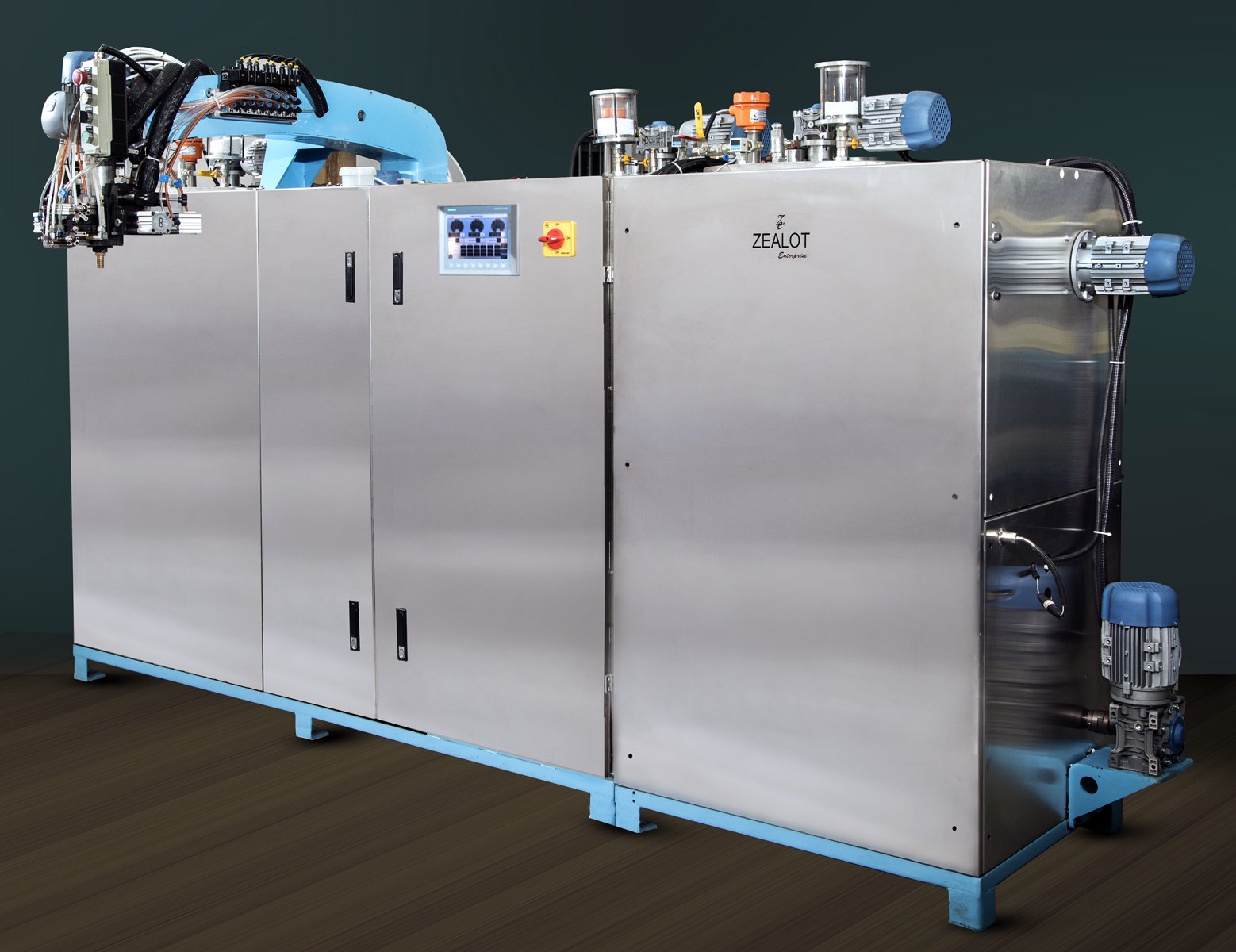
In modern production environments where precision and consistency are essential, compact mixing systems play a vital role. One such solution is the 5kg Planetary Mixer, designed to deliver efficient blending for small-scale manufacturing while maintaining high uniformity and product quality. It is widely used in industries that require controlled mixing of pastes, creams, doughs, adhesives, and chemical compounds. With its compact structure and powerful mixing action, it provides a reliable balance between performance and space efficiency, making it ideal for laboratories, pilot plants, and small production units where accuracy is more important than volume.
What is a 5kg Planetary Mixer and How Does It Work?
A planetary mixer is a specialized mixing machine that operates using a unique dual-motion system. The mixing tool rotates on its own axis while simultaneously moving around the mixing bowl, similar to how planets orbit the sun. This motion ensures that materials are thoroughly blended without leaving unmixed zones. In a 5kg capacity system, the machine is designed to handle small batches, making it suitable for controlled production environments. The bowl remains stationary while the mixing attachments move in a precise pattern, ensuring even distribution of ingredients. This mechanism improves consistency and reduces processing time significantly compared to manual mixing methods.
Why Choose Small-Batch Mixing Equipment?
Small-batch mixing equipment is essential for industries that prioritize precision, experimentation, and quality control. A compact mixer allows manufacturers to test formulations before scaling up production, reducing the risk of material waste. It also enables flexibility in production, as different recipes can be prepared without extensive machine downtime. In research and development environments, such equipment is crucial for adjusting formulations and achieving desired textures or chemical properties. Additionally, small-batch systems consume less energy and require less maintenance, making them cost-effective for businesses that do not require large-scale output but still demand high-quality results.
Key Features of a 5kg Planetary Mixer?
A well-designed small capacity mixer includes several important features that enhance its performance. These often include variable speed control, durable stainless steel mixing bowls, and interchangeable mixing attachments for different material types. Safety features such as overload protection and secure locking systems ensure safe operation during mixing cycles. The compact design allows easy installation in limited spaces, while the efficient motor system ensures stable performance even under continuous use. These features collectively contribute to improved productivity and consistent mixing quality across different applications.
How Does Mixing Mechanism Improve Quality?
The planetary mixing mechanism plays a significant role in ensuring uniformity in the final product. Unlike conventional mixers that may leave unmixed portions, the combined rotational and orbital movement ensures that every part of the mixture is evenly processed. This results in smoother textures, better chemical consistency, and improved product stability. In industries such as cosmetics or food processing, this level of uniformity is essential for maintaining brand quality standards. The consistent shear force applied during mixing also helps in breaking down lumps and improving material homogeneity.
What Materials Can Be Processed Effectively?
A small-capacity planetary mixer is capable of handling a wide range of materials with varying viscosities. It can process thick doughs, creams, pastes, gels, adhesives, and even certain chemical compounds. This versatility makes it suitable for multiple industries, including food production, pharmaceuticals, cosmetics, and chemical laboratories. The ability to handle both dry and wet materials allows manufacturers to use a single machine for different applications, reducing equipment investment costs while improving operational efficiency.
Industrial Applications of Small Capacity Mixers?
Small batch mixers are widely used in industries where precision is more important than volume. In the food industry, they are used for preparing bakery doughs, sauces, and confectionery mixtures. In cosmetics, they help in producing creams, lotions, and emulsions with smooth consistency. In chemical industries, they are used for adhesives, sealants, and experimental formulations. Laboratories also rely on these mixers for testing new product formulations before scaling up. Their adaptability across industries makes them a valuable asset in both commercial and research environments.
Advantages for Food Industry Production?
In food production, consistency and hygiene are critical. A compact planetary mixer ensures uniform blending of ingredients, which is essential for maintaining taste and texture. It reduces manual effort and minimizes contamination risks, as the mixing process is enclosed and controlled. Small batch production also allows chefs and manufacturers to experiment with recipes and improve product quality before mass production. Additionally, energy efficiency and reduced wastage make it a practical solution for bakeries and small food production units.
Role in Chemical and Pharmaceutical Mixing?
In chemical and pharmaceutical applications, precision and accuracy are crucial. Small planetary mixers help achieve uniform distribution of active ingredients, ensuring product effectiveness and stability. They are used in the preparation of ointments, gels, suspensions, and laboratory compounds. Controlled mixing reduces the risk of inconsistencies that could affect product performance. The ability to maintain strict process control makes these mixers essential in regulated industries where quality standards are strictly enforced.
How to Operate and Maintain the Equipment Safely?
Proper operation of mixing equipment involves following standard safety procedures and maintenance practices. Operators should ensure that the machine is properly cleaned before and after use to prevent contamination. Regular inspection of mixing attachments and motor components helps maintain performance efficiency. Overloading the machine should be avoided to prevent mechanical strain. Lubrication of moving parts and timely replacement of worn components ensure long-term durability. Following operational guidelines not only improves safety but also extends the life of the equipment.
What Factors Affect Mixing Performance?
Several factors influence the performance of a planetary mixing system. These include mixing speed, material viscosity, batch size, and mixing duration. Incorrect speed settings can lead to under-mixing or over-processing of materials. The nature of ingredients also plays a role, as thicker substances require more power and time to achieve uniformity. Proper calibration and operator expertise are essential to achieve optimal results. Environmental conditions such as temperature may also impact mixing behavior in sensitive formulations.
Future of Compact Mixing Technology?
The future of compact mixing systems is focused on automation, precision control, and energy efficiency. Advanced systems are being developed with digital controls that allow operators to program mixing cycles with high accuracy. Integration with smart manufacturing systems will further enhance productivity and monitoring capabilities. Improved materials and motor technology will also contribute to longer equipment lifespan and reduced maintenance requirements. As industries continue to prioritize efficiency and flexibility, compact mixers will remain a key component of modern production systems.