

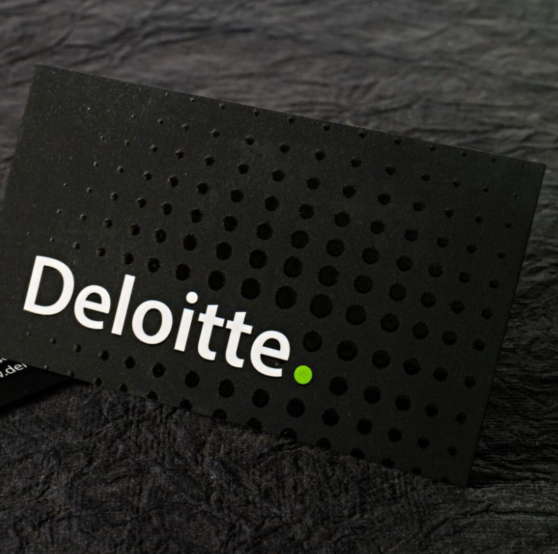
Packaging and label design are vital parts of a brand’s overall identity. A well-crafted label not only communicates product details but also influences the way customers perceive a product. Among the many printing techniques used to add flair and professionalism to packaging, Raised UV Labels stand out as a popular and effective option. This finish brings both texture and shine to a flat surface, resulting in a label that feels refined and visually appealing.
What Are Raised UV Labels?
Raised UV printing is a specialized technique where ultraviolet light cures a clear polymer that is applied to specific areas of a printed surface. This process results in raised, glossy sections on the label, creating a tactile texture that stands above the rest of the design. Raised UV differs from standard spot UV by its thickness and feel—standard spot UV is flat and smooth, while raised UV creates a noticeable texture that can be felt when touched.
This added layer of dimensionality introduces depth and elegance to the design, helping important elements such as logos, brand names, or graphics stand out in both look and feel.
Visual and Tactile Impact
Raised UV finishes transform simple labels into luxurious experiences. They draw attention immediately through the way light reflects off the raised areas, adding shine and sophistication to key parts of the label. The contrast between matte or soft-touch backgrounds and glossy raised UV detailing creates visual interest without being overwhelming.
In addition to the visual appeal, raised UV labels engage the sense of touch. The textured feel provides an added dimension that invites interaction. This tactile sensation helps reinforce the sense of quality and value, which can be especially important for premium products like cosmetics, spirits, gourmet foods, and luxury accessories.
Highlighting Key Design Features
Designers often use raised UV finishes to emphasize specific parts of the label. This could include a brand logo, a product name, or even a decorative element such as a border or pattern. By selectively raising these areas, the label guides the viewer’s eye and draws attention to the most important components.
This technique can also add clarity to the design. On busy or intricate labels, raised UV can help isolate key features, preventing the design from appearing cluttered. The result is a cleaner, more organized layout that maintains the brand’s messaging.
Versatility Across Product Types
One of the strengths of raised UV labels is their versatility. They are suitable for a wide range of products and packaging types. Whether applied to bottles, boxes, jars, or flexible pouches, these labels adhere well and retain their texture. They can also be used on various materials, such as coated papers, films, or metallic surfaces.
The ability to combine raised UV with other effects—like foil stamping, embossing, or matte lamination—makes it easy to create a unique and highly customized finish that matches any brand style.
Enhancing Perceived Value
In a crowded market, appearance often influences buying decisions. A product with a raised UV label tends to appear more upscale and trustworthy. This perceived value can justify premium pricing and help brands position themselves as leaders in quality and style.
Conclusion
Raised UV labels offer more than just a decorative finish—they provide a way to elevate packaging with texture, shine, and elegance. By drawing attention to important design elements and enhancing the sensory experience, these labels play a key role in strengthening brand identity and attracting consumers.